The landscape of modern financial markets has been revolutionized by the emergence of electronic markets and the rapid advancement of algorithmic trading. At the heart of this transformation is High Frequency Trading (HFT), a subset of automated trading that utilizes sophisticated computer programs to execute a high trade volume at speeds incomprehensible to human traders. By analyzing vast amounts of high-speed data and tick data, these systems can identify and act upon market opportunities within microseconds. While HFT has introduced numerous efficiencies, it has also sparked intense debate regarding its impact on stability, fairness, and the overall structure of global trading environments.
The Proponents’ Perspective: Efficiency and Liquidity
One of the most cited advantages of HFT is the substantial increase in liquidity it provides. HFT firms often act as market makers, constantly quoting buy and sell prices for a wide range of securities. This continuous presence ensures that there is almost always a counterparty available for a trade, which facilitates smoother order execution for all participants. The resulting competition among these firms leads to significant spread compression. As the bid-ask spread narrows, the transaction costs for institutional investors and retail traders alike are greatly reduced. This efficiency is a cornerstone of modern market dynamics, allowing for more precise price discovery and a more robust limit order book.
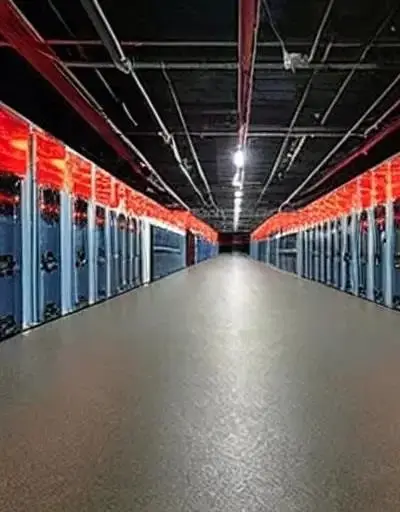
Furthermore, HFT enhances market efficiency through arbitrage. By simultaneously monitoring multiple exchanges, algorithms can quickly resolve price discrepancies between related assets. This process ensures that prices remain consistent across different venues, which is vital for the integrity of the global financial system. To achieve the necessary speeds for these strategies, firms invest in cutting-edge infrastructure. This includes colocation, where servers are placed in the same physical location as the exchange’s servers to minimize latency. The use of fiber optics and microwave transmission technologies further trims precious nanoseconds off the time it takes for a signal to travel, providing a competitive edge in the race for execution.
The Critics’ Concerns: Volatility and Risk
Despite these benefits, HFT is frequently criticized for its role in increasing market volatility. The sheer speed and volume of automated trading can lead to sudden and dramatic price swings, especially during periods of market stress. The most famous example of this phenomenon is the 2010 flash crash, where the Dow Jones Industrial Average plummeted nearly 1,000 points in minutes before recovering. Such events highlight the potential for systemic risk, as interconnected algorithms can create a feedback loop of selling that overwhelms the market’s capacity to absorb order flow.
Another significant concern involves the use of predatory strategies. Some critics argue that HFT firms engage in practices like front-running, where they use their speed advantage to detect large incoming orders from institutional investors and trade ahead of them, causing slippage and increasing the cost for the original buyer. Additionally, the proliferation of dark pools—private forums for trading securities that are not accessible to the public—has raised concerns about market fragmentation. Within these pools, proprietary trading firms can execute large blocks of shares without revealing their intentions to the broader market, which some argue undermines the transparency of price discovery.
The Role of Quantitative Analysis and Regulation
The success of HFT is deeply rooted in quantitative analysis. Mathematical models are used to predict short-term price movements and manage risk. However, the complexity of these models means that even a small error in code can lead to catastrophic losses. This reality underscores the need for rigorous regulatory oversight. Authorities around the world are tasked with monitoring electronic markets to ensure that they remain fair and orderly. This includes implementing rules to prevent market manipulation, such as “spoofing” or “layering,” and requiring firms to have robust risk controls in place.
Regulators also scrutinize the impact of high-speed data feeds on market fairness. The debate over whether some participants have an unfair advantage due to their ability to pay for faster access to information continues to shape financial policy. Ensuring a level playing field is essential for maintaining investor confidence in the financial markets. As technology continues to evolve, the framework for regulatory oversight must also adapt, balancing the drive for technological innovation with the necessity of safeguarding the financial system against unforeseen systemic risk and ensuring that order execution remains transparent for all.
In conclusion, High Frequency Trading is a complex and multifaceted component of today’s financial markets. It offers undeniable benefits in terms of liquidity, spread compression, and market efficiency. However, these advantages come with significant challenges, including the potential for heightened market volatility, the emergence of predatory strategies, and the inherent systemic risk of high-speed automated trading. The ongoing evolution of algorithmic trading requires a continuous dialogue between market participants, technologists, and regulators. By fostering a deeper understanding of the limit order book, order flow, and the role of market makers, the industry can work towards a future where the benefits of HFT are maximized while its risks are effectively mitigated. The balance between speed, transparency, and stability remains the ultimate goal for the global financial community. Ultimately, the goal is to create a resilient structure that supports growth while preventing the types of disruptions that can erode public trust in the integrity of the global financial system. This requires vigilance and a commitment to transparency across all levels of the trading ecosystem world.